I got a small cavity in 2002 and just had it filled a few days ago. Click here to learn more

Cavity Filling The Procedure Aftercare And Long Lasting Preferred Dental
The location of the cavity can also play a role in how fast or slow it develops.

How long does it take for a cavity to form in a child. In fact, most cavities take around six months to five years to develop. That way we can detect problems early and create good habits from the beginning. Learn about the treatment and prevention of tooth decay.
Summitt’s textbook of operative dentistry (the repair of teeth) states that it may take 4 to 5 years before the demineralization process has progressed through a tooth’s enamel. Since most cavities in children and adolescents develop in the molars (the back teeth), it's best to get these teeth sealed as soon as they come in: In fact, you can probably trace its origins back to the moment you started neglecting your teeth.
Tooth decay typically happens in five stages, and it can be prevented with good oral hygiene. How long does it take for cavities to develop? This is because primary teeth have a thinner layer of enamel than permanent teeth, making it easier for cavities to develop at a faster rate.
Cavities don’t form over night. Don't let your child use a sippy cup like a pacifier, carrying it around taking one sip every 2 minutes for an hour. Thus, young children can get a cavity in just a few months while it could take up to a year for a cavity to form in adults.
If you want to know, “how long does it take for cavities to form and ways of prevention” have no fear! As the bacterial plaque in your mouth produces acid after eating your dietary sugar, that acid slowly eats away at your enamel, taking months or even years to cause the type of damage that requires a filling, crown, and/or root canal therapy from your dentist. If a cavity is caught early enough, you.
Since cavities can form quickly in children, especially those with baby teeth, it is important to have your child examined by their pediatric dentist at least twice a year. The actual amount of time that it takes for any one cavity to form will probably lie on the order of at least many months, and quite possibly (even probably) longer. By the end of the sixth week of pregnancy — four weeks after conception — small buds appear that will become arms.
The bacteria convert the sugar in the food particles to acid, which eats away at the enamel of the tooth. Things like diet, the location of the cavity, and oral hygiene all affect how fast a cavity develops. Most cavities take several months or years to form.
He said if i had waited much longer it would have been a major procedure. Fetal development four weeks after conception. Get your child to the dentist by one year of age.
However, multiple factors can influence how quickly tooth decay progresses, including oral. Length of time varies from cavity to cavity no two cavities are alike when it comes to how long it takes for them to form. Just put water in there unless it is meal time.
It can take up to 4 years or more to go from incipiency to cavitated in. That said, he also said i was very lucky, and that many cavities become big problems within a year or less. It can take anywhere from six months to four or five years for a cavity to form.
However it is also fairly common for cavities to develop in a matter of months in children. Just four weeks after conception, the neural tube along your baby's back is closing. A cavity usually starts long before it's identified in the dentist's office.
Instead, the process of decay is gradual. How fast dental cavities grow may sound like a simple question, but it’s actually rather complicated. Growth is rapid this week.
If dietary habits, home hygiene or medications are left unchanged, the same factors that caused the first cavity to form will continue to affect. Don't put children over 1 year of age to bed with a bottle filled with juice or milk. In the permanent dentition, an incipient can form in 6 months to a year.
If a person has a low defense system in his mouth, has a poor diet and poor hygiene, a cavity can form within a few weeks. It takes weeks, months, even years for a cavity to form. Unfortunately, once a tooth has been fixed, it’s not immune to developing another cavity.
2) it can take up to several hours for saliva to penetrate through dental plaque and neutralize these acids. A cavity is a hole in a tooth. Generally speaking, cavities usually take years to form, however they can form faster in children and it may only take months.
When you don't take care of your teeth with regular brushing and flossing, the sugars and food particles that are left in your mouth break down and provide nourishment for the bacteria that are always present there. Cavities are the end result of tooth decay, which occurs when dental plaque (a layer of food particles, bacteria, and minerals) persists on the tooth’s surface because of inadequate dental hygiene.

The Surprising Truth About Cavities In Children Parents
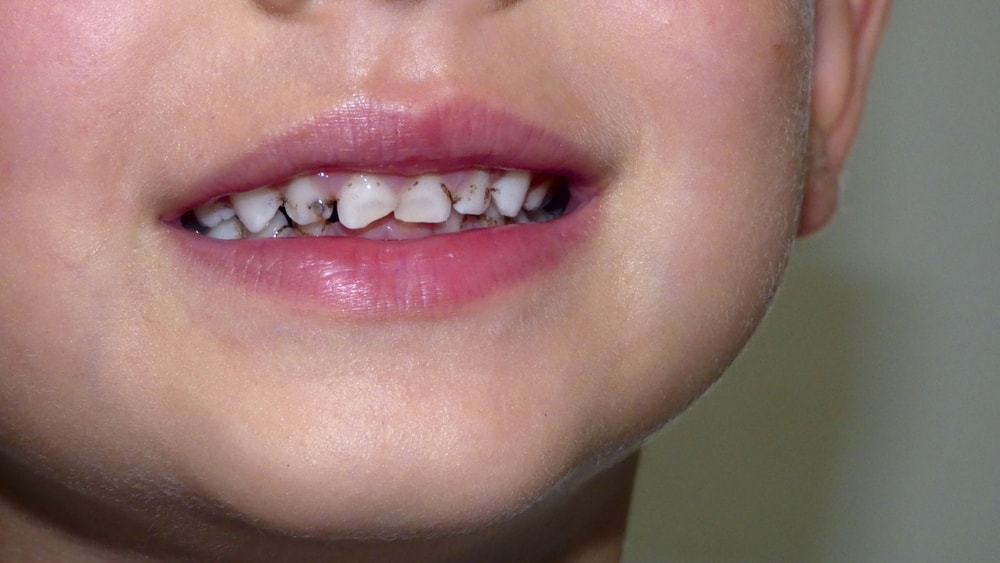
Tooth Decay In Children Cavities Are Contagious Too What To Do
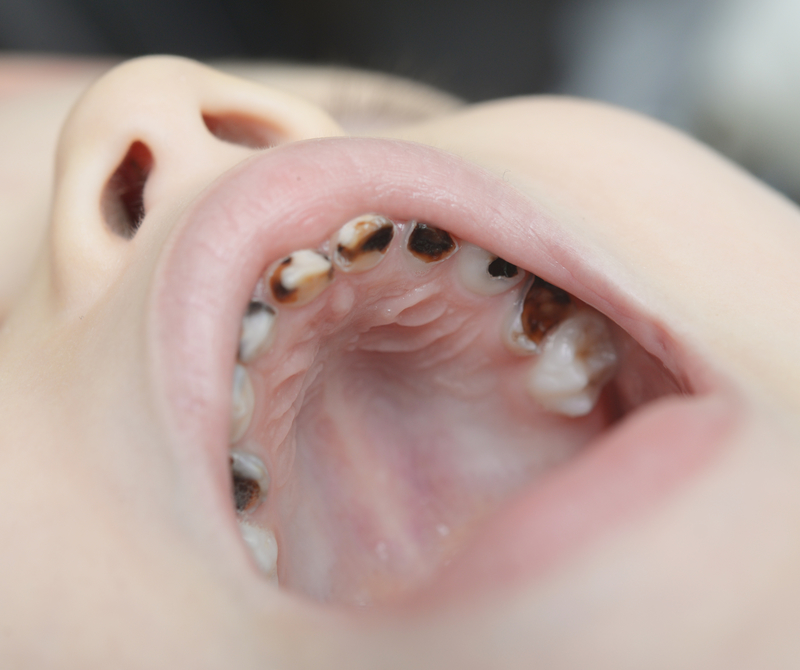
What Do You Do For A Baby With Cavities Angela Evanson Dds In Parker Co Dentist 720 409-0008 80134
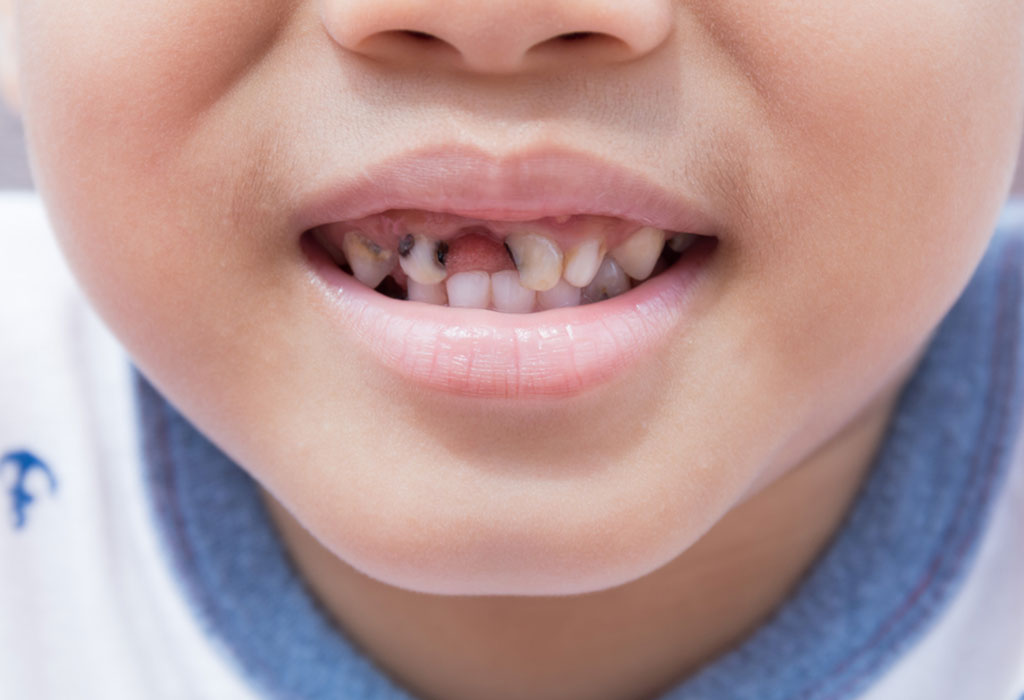
Fighting Tooth Decay In Children - Kids Dentist Appointments In San Diego

Cavities In Baby Teeth Should They Be Filled
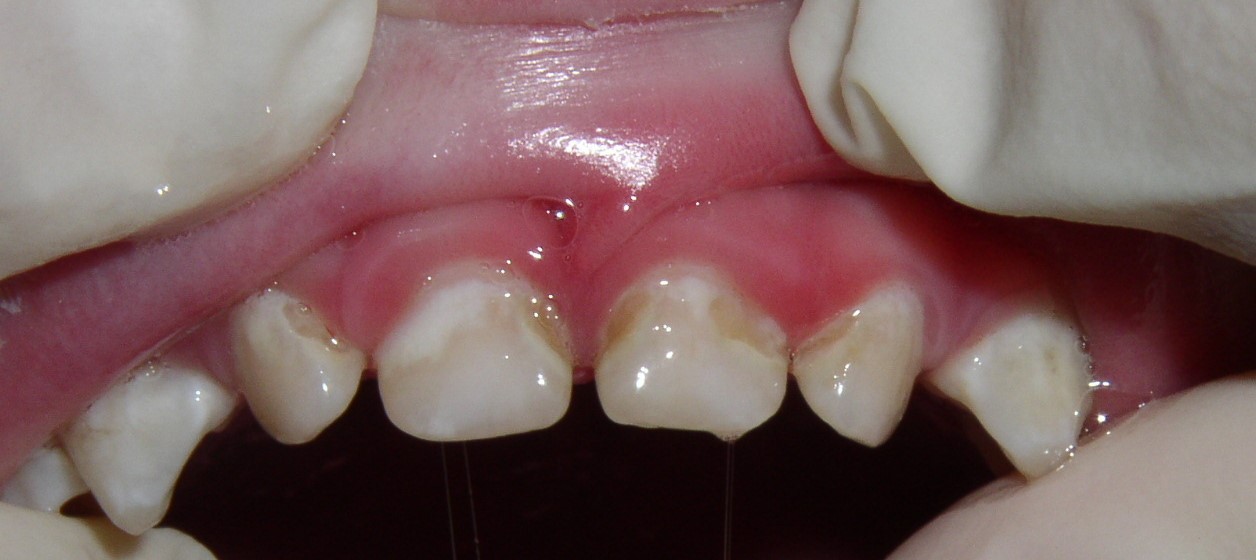
Faq - Are The Stains On My Childs Teeth Cavities Discovery Pediatric Dentistry

What Does A Cavity Look Like - Chats Dental

What Causes Cavities And Why Do My Kids Keep Getting Them - Childrens Dental Health

5 Symptoms Of Cavities To Look For - Park Place Kids
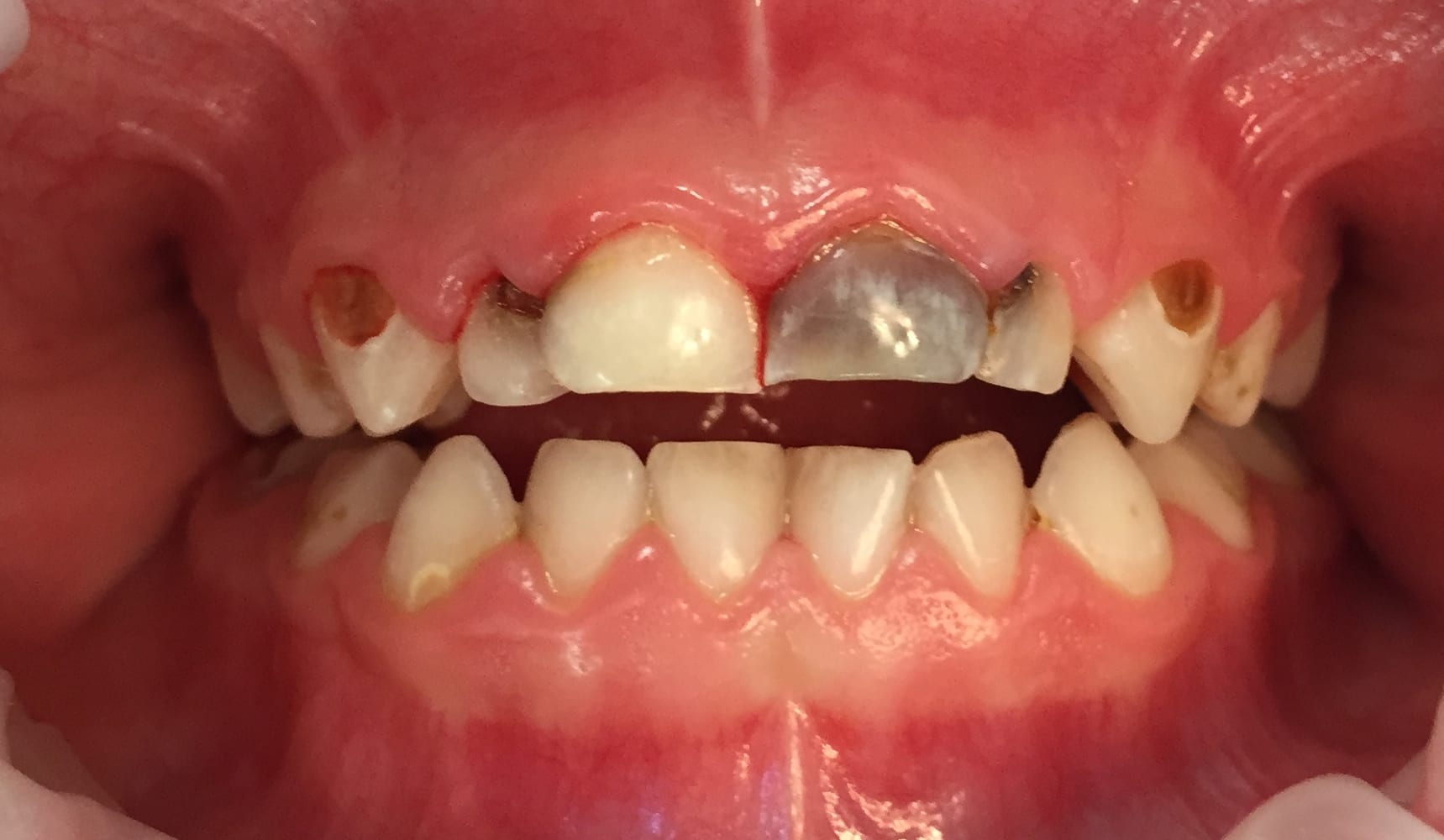
Faq How Does My Child Get Cavities - Shelby Pediatric Dentistry Dental Care For Kids Birmingham Al

How Long You Can Leave A Cavity Untreated Before It Goes From Bad To Worse

How Quickly Can A Cavity Form Stellar Kids Dentistry
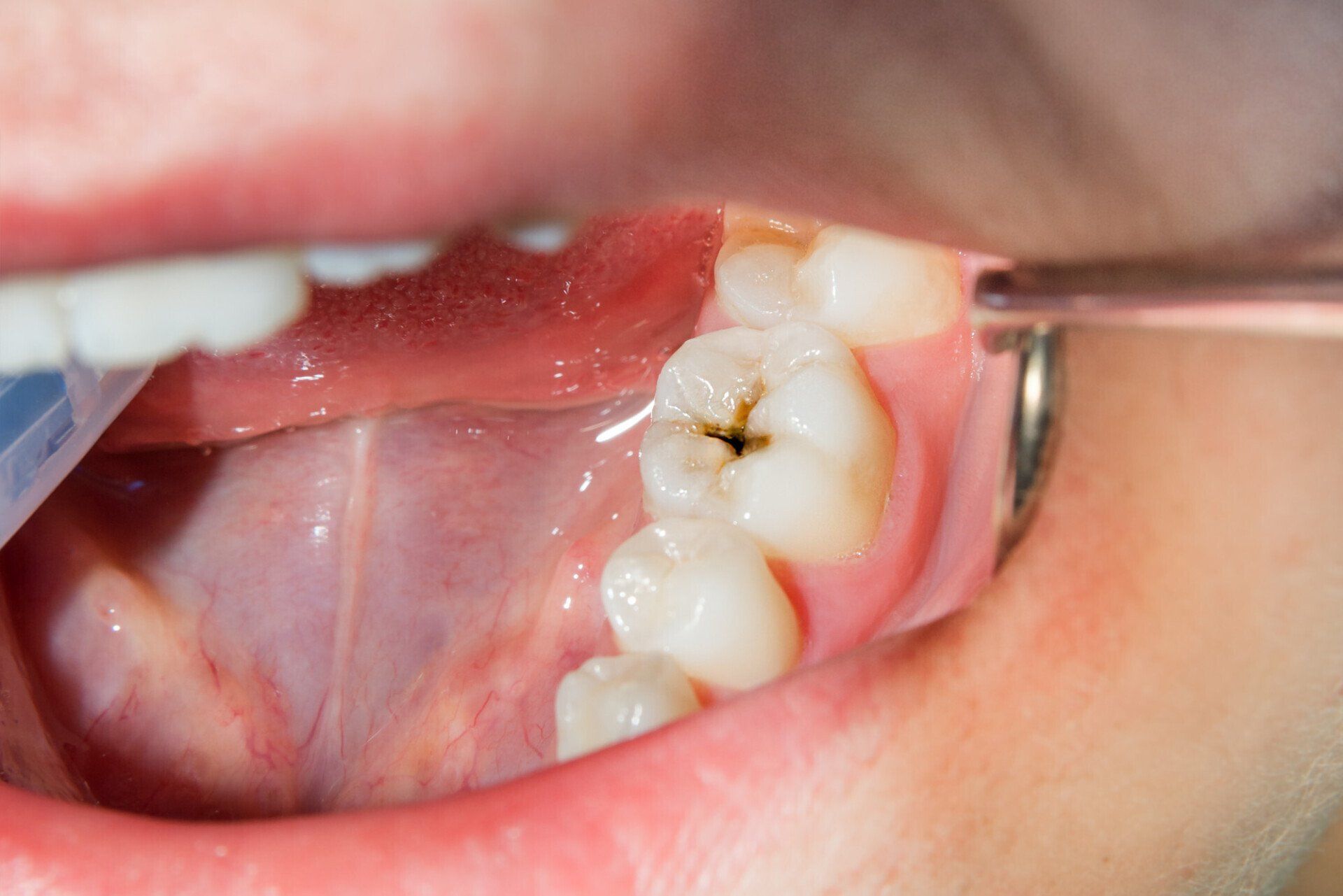
How Do Cavities Form - The Hidden Causes Of Cavities You Need To Know

Pediatric Caries Or Cavities Virginia Family Dentistry

The Surprising Truth About Cavities In Children Parents

Fillings In Baby Teeth Are They Really Necessary
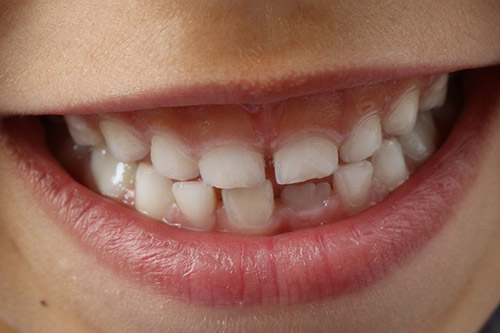
How Fast Does A Cavity Form Dentistry For Kids And Adults
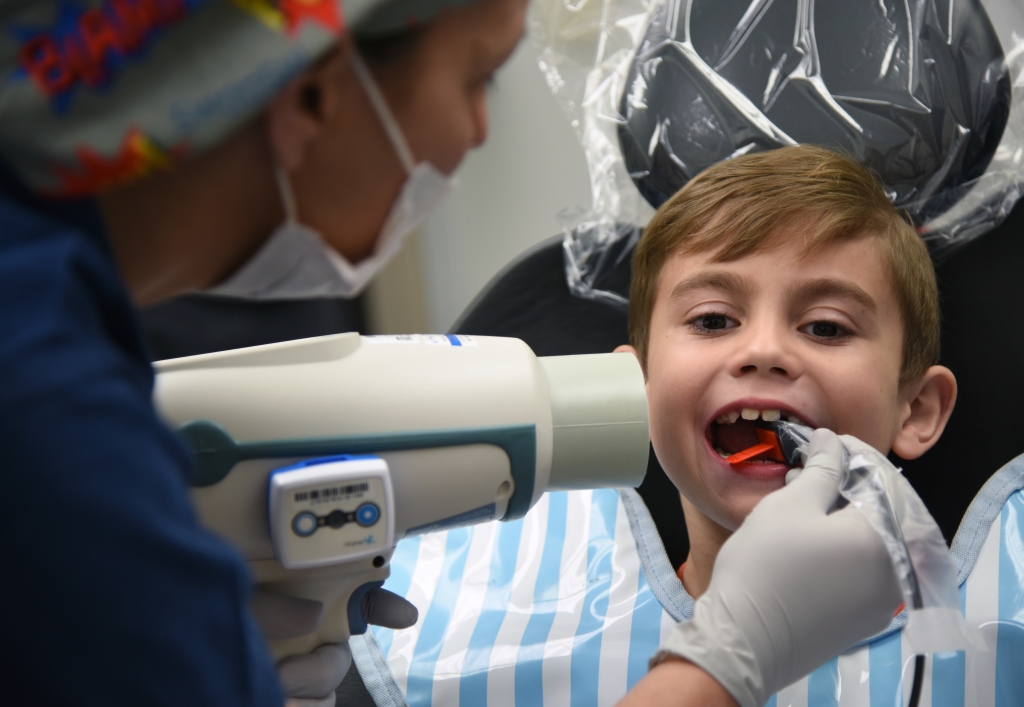
Help My Kid Has A Mouth Full Of Cavities - Dental Health Society
Cavities In Small Children A Guide For Parents And Caregivers